
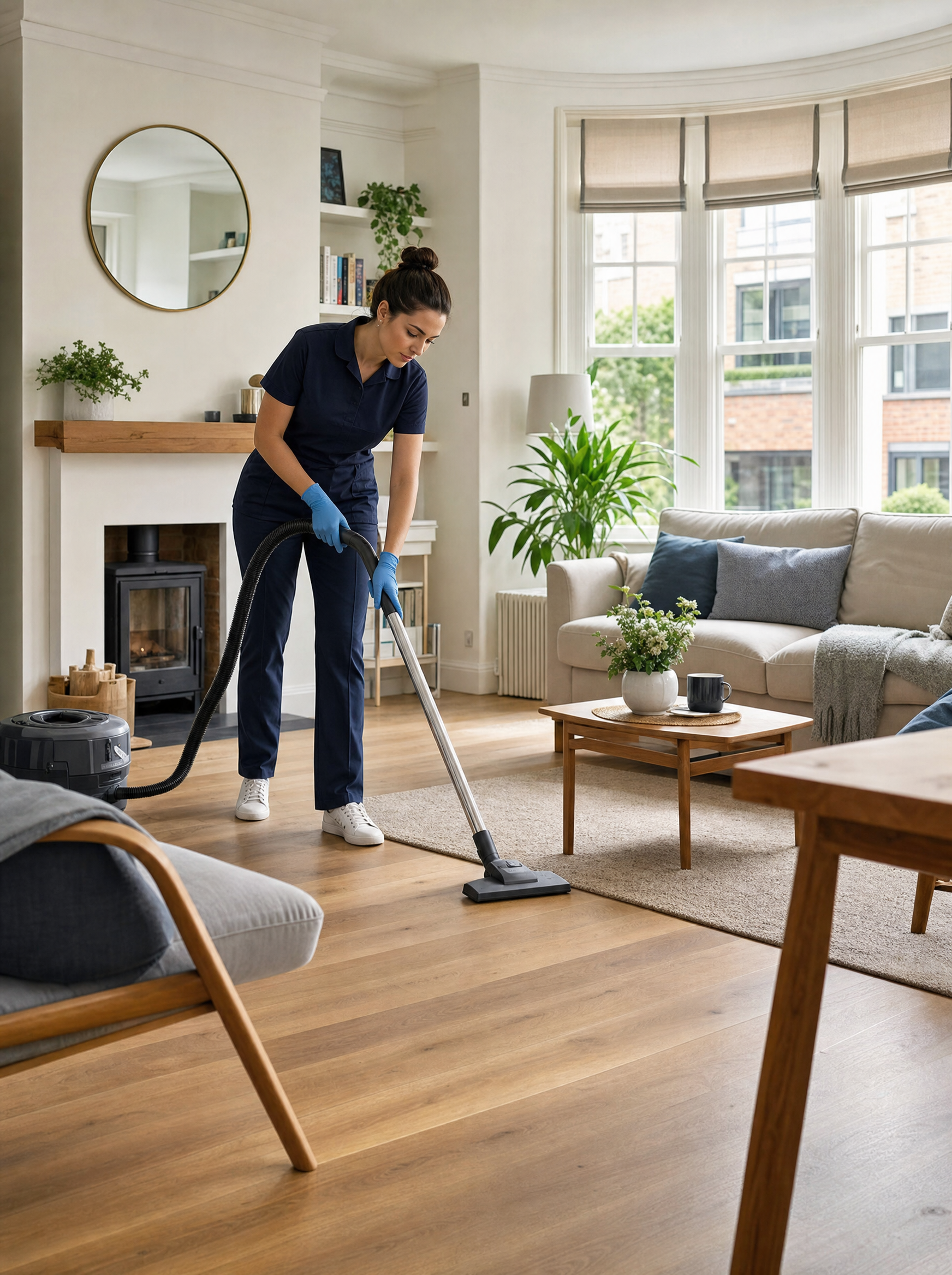
Cleaning is one of the UK's biggest employers, and 2026 has brought real changes to pay and worker rights. Here is a plain-English roundup for anyone hiring a cleaner or looking for cleaning work in Birmingham and across the UK.
Key facts
- The National Living Wage rose to £12.71 an hour for workers aged 21 and over from 1 April 2026, a 4.1% increase on the previous £12.21.
- New day-one employment rights came into force on 6 April 2026, including statutory sick pay from the first day of absence.
- The voluntary real Living Wage is now £13.45 across the UK and £14.80 in London.
- Self-employed cleaners typically charge £15 to £20 an hour, with Birmingham rates commonly £15 to £25 depending on the service.
- The UK cleaning sector is worth roughly £66.9bn and supports around 1.49 million jobs.
Wages moved up again
Cleaning is a minimum-wage-anchored sector, so the statutory rates set the floor for almost every advert you will see. From 1 April 2026 the National Living Wage is £12.71 an hour for workers aged 21 and over, up 4.1% on the year before. Younger workers aged 18 to 20 must now get at least £10.85.
On top of the legal minimum, many employers sign up to the voluntary real Living Wage, which climbed to £13.45 across the UK and £14.80 in London. Specialist and independent cleaners often sit above both figures, with self-employed cleaners commonly charging £15 to £20 an hour for regular work.
New rights for cleaners from April 2026
The Employment Rights Act 2025 delivered a first wave of changes on 6 April 2026. The headline for cleaners is statutory sick pay from day one. The old three-day waiting period is gone, and the lower earnings limit was removed, so lower-paid workers are now covered too.
The same wave brought day-one paternity and unpaid parental leave, higher penalties for redundancy consultation failures, and a new single enforcement body called the Fair Work Agency. For cleaners who are genuinely employed, that means more security. If you work through an agency, it is worth checking whether you are classed as an employee or as self-employed, because the rights differ.
What fair rates look like in Birmingham
Birmingham tends to sit close to the UK average rather than the London premium. In 2026 a regular domestic cleaner in the city typically costs £15 to £25 an hour. Budget cleaners land around £12 to £15, mid-range insured services around £18 to £22, and premium vetted teams £22 to £30.
Those bands reflect what you get. A mid-range insured company usually adds DBS-checked staff and public liability cover. Premium teams tend to bundle in fully vetted cleaners, guarantees, and often the cleaning supplies. Price also rises with property size, condition, and frequency, and one-off deep cleans always cost more per hour than a recurring weekly slot.
What this means if you are hiring
Higher wages are good news for the people doing the work, and they do not have to mean a worse deal for households. The biggest hidden cost is usually the agency margin, not the cleaner's pay. Booking a vetted independent cleaner directly often lands you a fair rate while the cleaner keeps more of it.
When you compare quotes, ask three things. Is the cleaner insured, are they vetted or DBS-checked, and does the price include products. A slightly higher hourly rate with cover and supplies included is often cheaper than a cheap rate with extras bolted on.
What this means if you clean for a living
If you clean in Birmingham, the market is on your side in 2026. Demand is steady, statutory pay is up, and new day-one rights give employed cleaners more protection. Setting your own rate as an independent, somewhere in the £15 to £22 range, is realistic for reliable, insured work.
The hard part is finding steady clients without handing a cut to a middleman. That is exactly the gap CQD New Gen is built to close. Cleaners keep what they earn, households post jobs for free, and there is no commission on either side.
Whether you want to hire a trusted cleaner or find cleaning work near you, you can post a job or a profile for free, with no commission and no posting fees.
FAQ
How much does a cleaner cost in Birmingham in 2026?
Most households pay £15 to £25 an hour for regular domestic cleaning. Budget cleaners sit around £12 to £15, insured mid-range services around £18 to £22, and premium vetted teams £22 to £30.
What is the UK minimum wage for cleaners in 2026?
From 1 April 2026 the National Living Wage is £12.71 an hour for workers aged 21 and over, and at least £10.85 for those aged 18 to 20. Many cleaners earn more, especially self-employed and vetted independents.
What are the new day-one rights for cleaners?
From 6 April 2026 statutory sick pay is payable from the first day of absence, with no waiting period and no lower earnings limit. Day-one paternity and unpaid parental leave also came in, alongside a new Fair Work Agency to enforce standards.
Is it cheaper to hire an independent cleaner or an agency?
A vetted independent is often cheaper per hour because there is no agency margin, and the cleaner keeps more of what you pay. Always confirm insurance, vetting, and whether products are included before you book.
How do I post a cleaning job or find cleaning work?
You can post a job or create a cleaner profile for free on CQD New Gen, with no commission and no posting fees. It works for both households hiring a cleaner and people looking for cleaning work.