
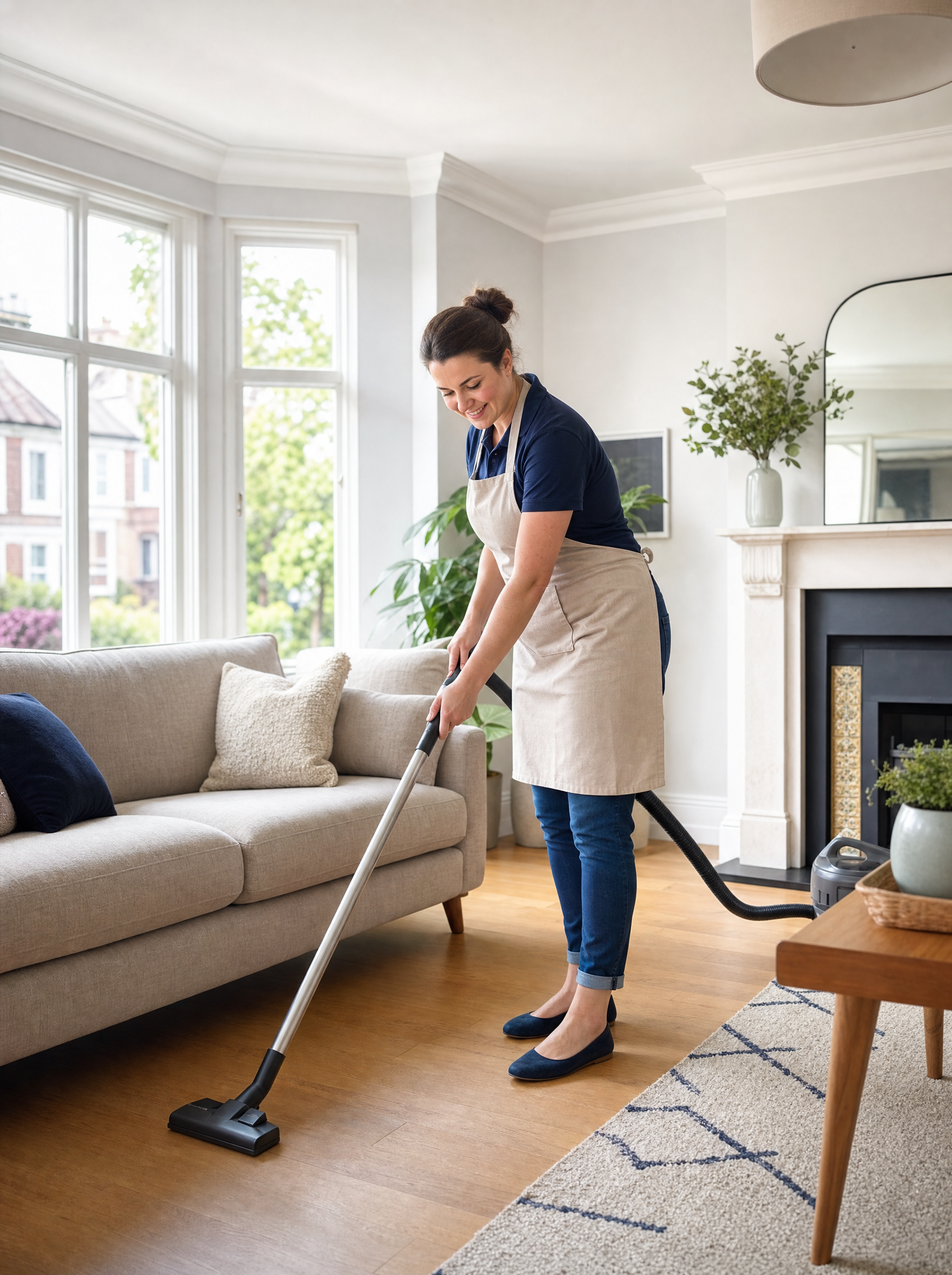
The UK cleaning market is busy, pay floors just went up, and good cleaners are getting harder to find. Here is what changed this month and what it means whether you hire cleaners or do the work yourself.
Key facts
- The National Living Wage rose to £12.71 an hour from 1 April 2026, a 4.1 percent increase for workers aged 21 and over.
- Self employed domestic cleaners typically charge £15 to £20 an hour, and London households often pay £22 to £28 for a regular clean.
- The UK cleaning services market is forecast to grow at roughly 9 percent a year toward the end of the decade, and about 17 percent of private households now employ a cleaner.
- Demand keeps outpacing supply, so the biggest challenge for most cleaning businesses is finding and keeping reliable staff.
- Eco friendly cleaning has moved from a nice extra to a real deciding factor, with over half the market shifting to sustainable products.
The new wage floor lifts everyone
The headline change is the National Living Wage. From 1 April 2026 it sits at £12.71 an hour for workers aged 21 and over, up from £12.21, with 18 to 20 year olds now on at least £10.85. Most advertised cleaning jobs pay between that floor and around £14 an hour, while employers signed up to the voluntary real Living Wage pay £13.45, rising to £14.80 in London (GOV.UK, PayFit).
For cleaners this is good news on the baseline. For clients it means agency prices tend to drift up whenever the floor moves, because wages, insurance, travel and equipment all get priced in.
What clients actually pay in 2026
Self employed cleaners usually charge more than employed staff because they cover their own costs. Across the UK that lands around £15 to £20 an hour, and household rates typically settle at £18 to £22 for a regular weekly or fortnightly clean. London and the South East sit higher, usually £22 to £28 an hour, with some central agencies charging £30 or more (Cleaner Connect, FeelClean).
The gap between what a cleaner earns and what an agency charges is the overhead in the middle. That is exactly why more people are booking cleaners directly and why more cleaners want to keep what they earn.
A big market, still short of people
The sector is large and growing. UK cleaning services are projected to expand at close to 9 percent a year through the rest of the decade, and the wider industry supports tens of thousands of registered cleaning businesses (Grand View Research, PolicyBee).
Yet the recurring theme in 2026 coverage is a worker shortage. Demand continues to outpace supply in most local markets, and operators say the real difficulty is finding and retaining people rather than winning clients (FM Industry). If you are a cleaner looking for steady work, that balance is in your favour right now.
Green cleaning is now a deciding factor
Sustainability has stopped being optional. More than half the market has shifted to sustainable products, and workplaces increasingly ask for eco certified supplies, refillable dispensers and low impact methods before they even discuss a contract (Clean Manager, Jani-King UK). Cleaners who can offer greener options have a genuine edge with both households and offices.
What this means for you
If you want to hire, the takeaway is simple. Prices are firm, availability is tight, so post clearly, be flexible on timing, and book reliable people early. If you clean for a living, demand is strong, rates are holding up, and clients value trust and eco friendly habits.
CQD New Gen connects both sides directly. Posting a cleaning job is free, always, with no commission taken from what a cleaner earns. You keep more, you skip the middle, and you deal with real people near you.
FAQ
How much does a house cleaner cost in the UK in 2026?
Most UK households pay around £18 to £22 an hour for a regular clean, while London and the South East usually run £22 to £28. One off deep cleans cost more because they take longer and need extra work.
Is the National Living Wage the same as what cleaners charge?
No. The National Living Wage of £12.71 is the legal minimum for employees. Self employed cleaners set their own rates and typically charge £15 to £20 an hour to cover their costs and equipment.
Why is it hard to find a cleaner right now?
Demand for cleaning is high while the sector faces an ongoing worker shortage. That means good cleaners get booked quickly, so it helps to post your job early and be flexible on days and times.
Does it cost anything to post a cleaning job on CQD New Gen?
No. Posting a cleaning job is free, always, and there is no commission taken from a cleaner's pay. Both sides connect directly.
How do I find cleaning work in the UK?
Create a free profile, set your area and availability, and respond to nearby jobs. With demand outpacing supply, cleaners who are reliable and quick to reply tend to build steady bookings fast.